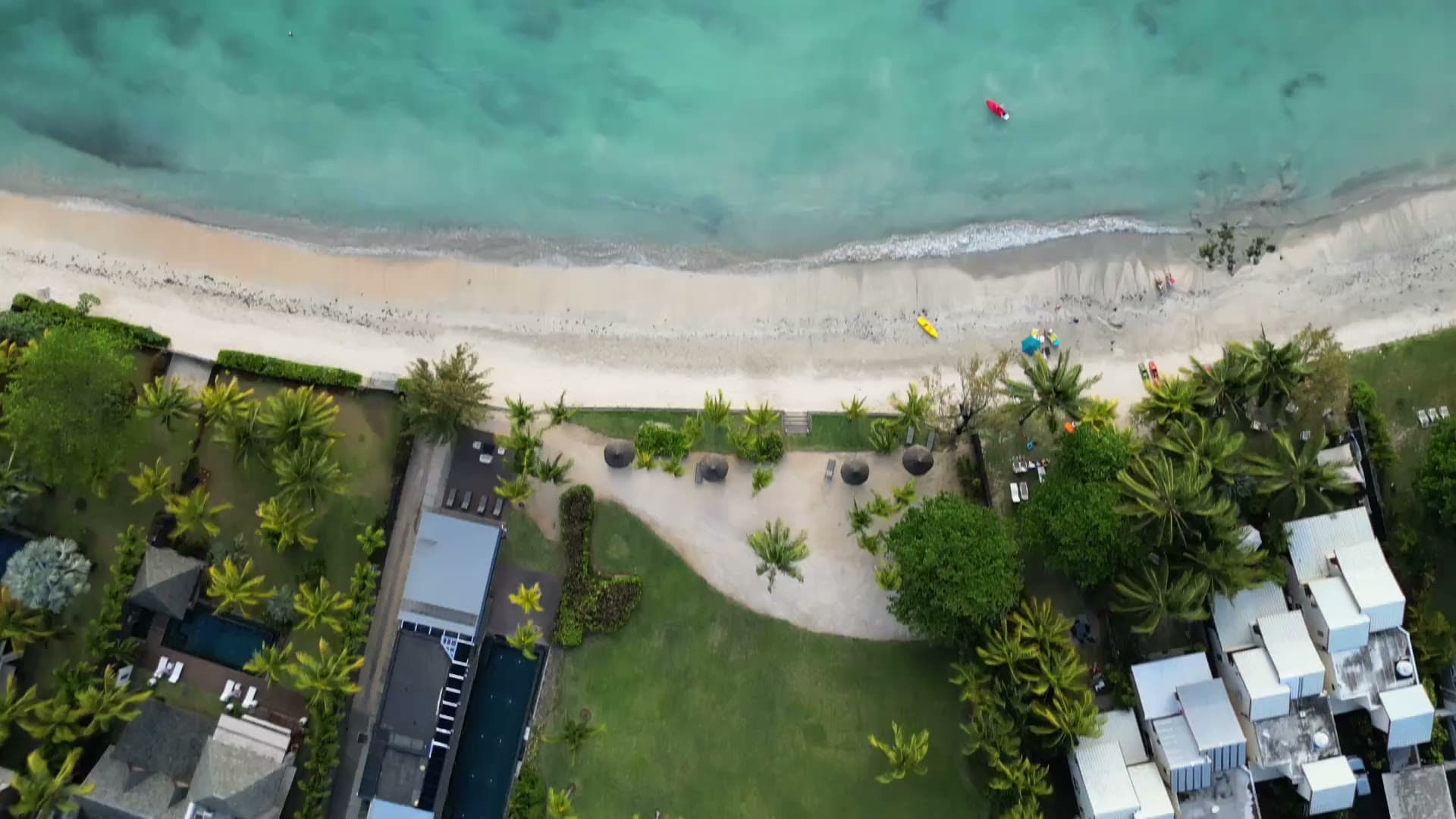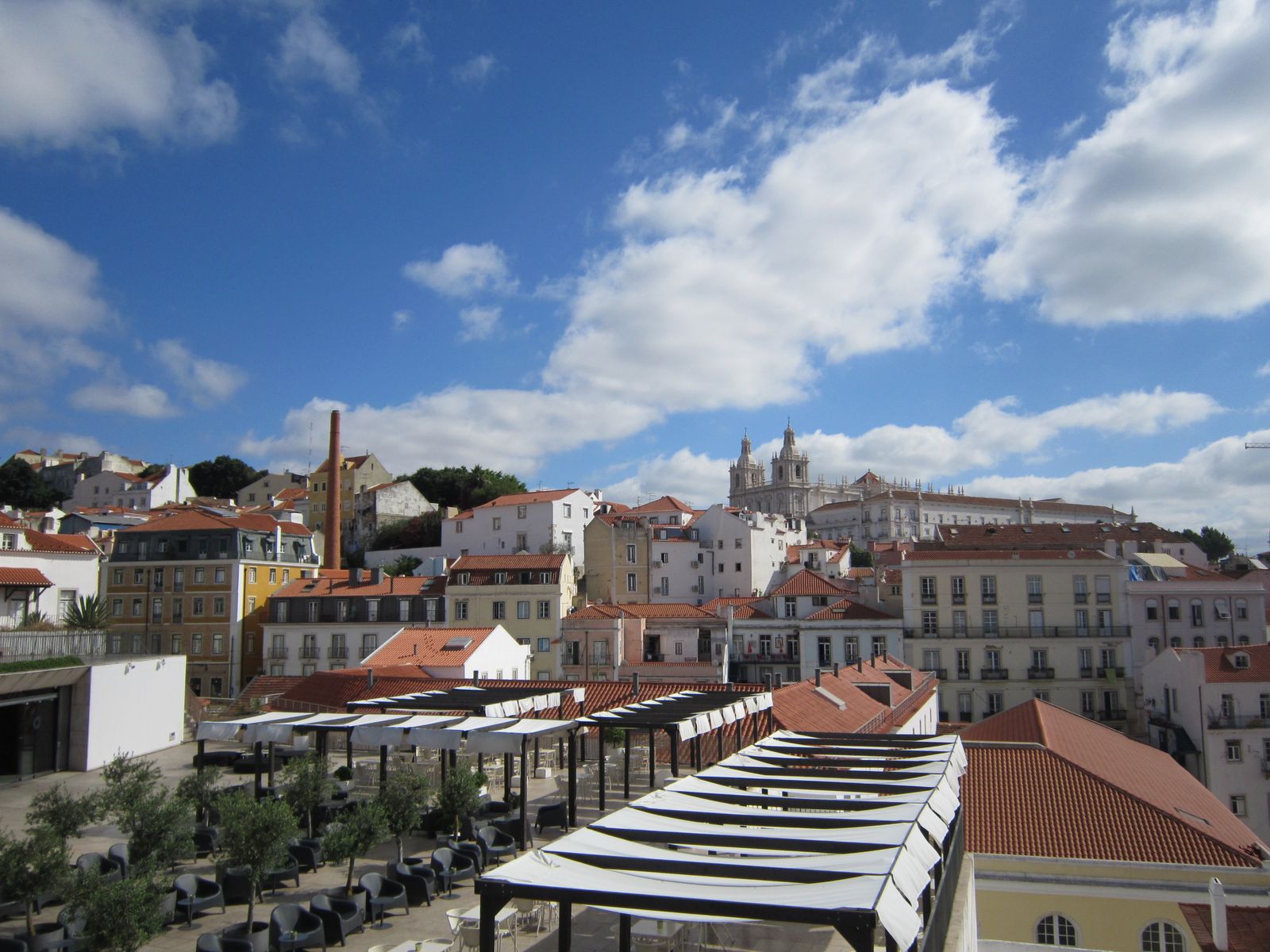



Thailand makes people dream, and for good reasons: the cost of living, the food, the Andaman beaches. But as soon as you talk about buying there and settling long term, the law changes the picture: a foreigner cannot own land in Thailand, while Mauritius offers full freehold and a permanent residence permit tied to the purchase. The full comparison, without caricature.
Ownership: freehold versus leasehold
This is THE structural difference. In Thailand, a foreigner can own an apartment freehold (within the 49% quota of a condominium building), but never the land: villas are bought via a renewable 30-year lease (leasehold) or corporate structures that the authorities watch closely. At resale, those structures lose value and get complicated.
In Mauritius, buying within the approved schemes (PDS, IRS, RES, Smart City, R+2) is a genuine freehold title, freely transferable and resellable, including for a villa with its land. For wealth you intend to pass on, the difference is fundamental.
Residency: permanent versus renewable
In Thailand, no residency through property purchase: expats live on visas to renew (the annual O-A retirement visa, or the LTR long-stay visa under high income conditions). Nothing dramatic, but paperwork to maintain, in a regulatory environment that changes often.
In Mauritius, a USD 375,000 purchase in an approved scheme = a permanent residence permit for the family, as long as you own the property. Retirees and entrepreneurs have their dedicated routes, described on our residence permit page.
Taxation: Mauritian simplicity
Thailand was long gentle on non-remitted foreign income, but the rule changed recently: foreign income remitted by a tax resident is now largely taxable, and the reform keeps evolving. In Mauritius, the framework is stable and readable: a scale capped at 20%, no capital gains tax, no property tax, no inheritance tax in the direct line, and a tax treaty with France, detailed in our expat tax guide.
Daily life: each to their own island
- Language: English and French are spoken everywhere in Mauritius (schools, healthcare, administration). In Thailand, everything happens in English or Thai.
- Time difference: +2 to 3h for Mauritius, +5 to 6h for Thailand. For remote work with Europe, you feel the difference every day.
- Schools: accredited French schools alongside international ones in Mauritius (notably in the North); excellent but expensive international schools in Bangkok and Phuket.
- Cost of living: advantage Thailand day to day, unquestionably. Mauritius stays moderate, especially compared with Europe.
- Healthcare: very good private care in both countries.
Our verdict by profile
- Wealth-focused investor: Mauritius. Freehold, free resale and legal stability have no Thai equivalent.
- Retiree maximising purchasing power: Thailand remains unbeatable on the cost of living, if renewable visas do not bother you.
- A family settling down: Mauritius, for the schools, the languages and the permanent permit.
- Remote worker with Europe: Mauritius, for the time zone. Our comparison series continues with Bali, Dubai and Portugal.
Frequently asked questions
Can a foreigner own a villa in Thailand?
Not the land: the villa is bought via a renewable 30-year lease (leasehold) or a company, with the associated limits and risks. Only condominium apartments (49% quota per building) are accessible freehold.
Which country for a rental investment?
Thailand can offer good seasonal yields in Phuket or Bangkok, but the legal and tax framework is less predictable. In Mauritius, expat rental demand supports gross yields of 5 to 7% long term, in full freehold: see our article on long-term versus seasonal rental.
And for retirement?
Both work. Thailand: a retirement visa to renew every year, a mini cost of living. Mauritius: a 10-year permit from age 50, reliable healthcare and a stable tax framework, as detailed in retiring in Mauritius.
To compare with real numbers, browse our listings or ask us for a study of your project.