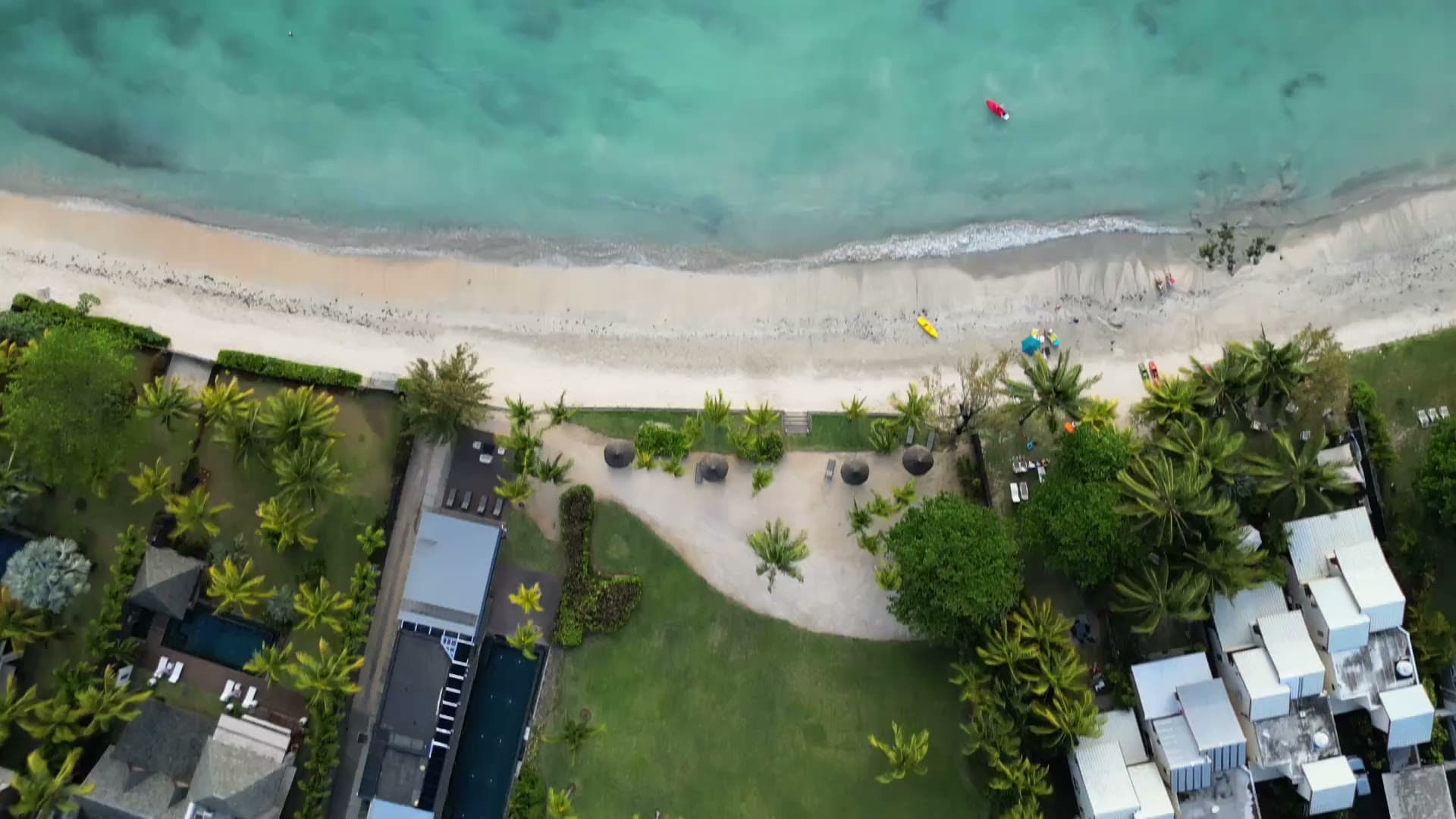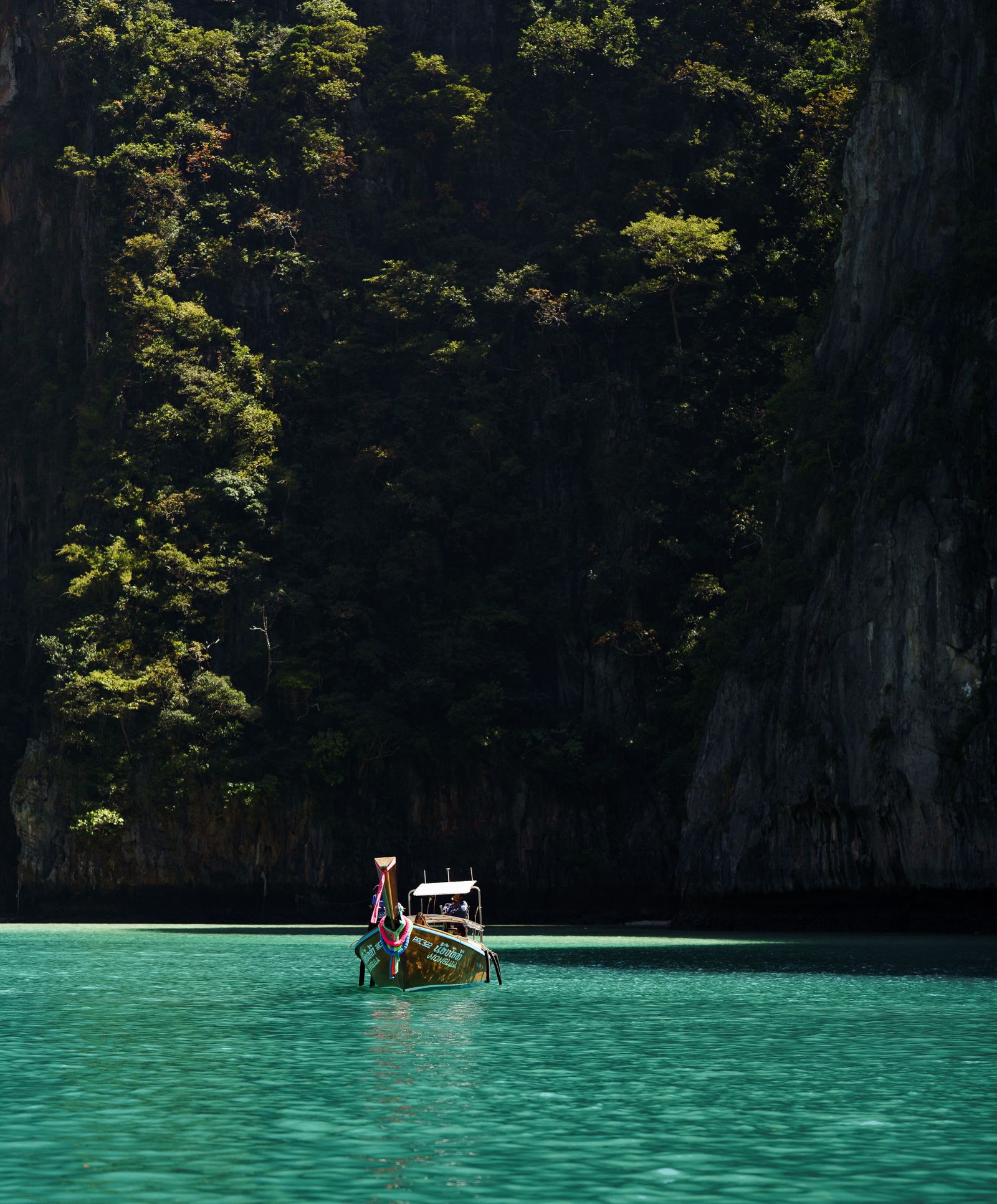


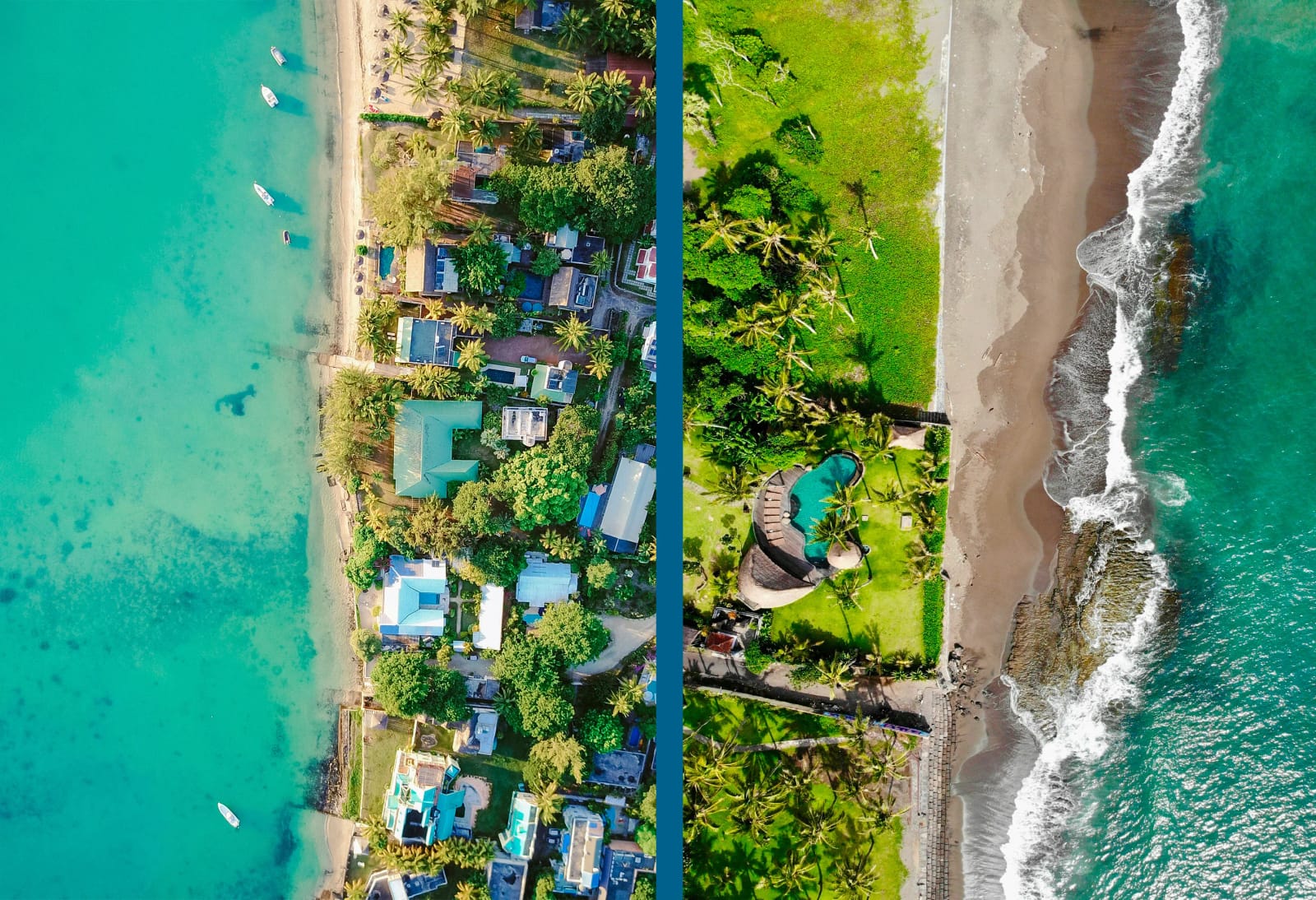
Two islands, two promises. Short answer: Bali for the experience and the mini cost of living, Mauritius to build for the long term: freehold property ownership, stable taxation capped at 20%, modern infrastructure and English spoken everywhere. The honest comparison between two favourite paradises of would-be expats.
Bali: cultural immersion on a mini budget
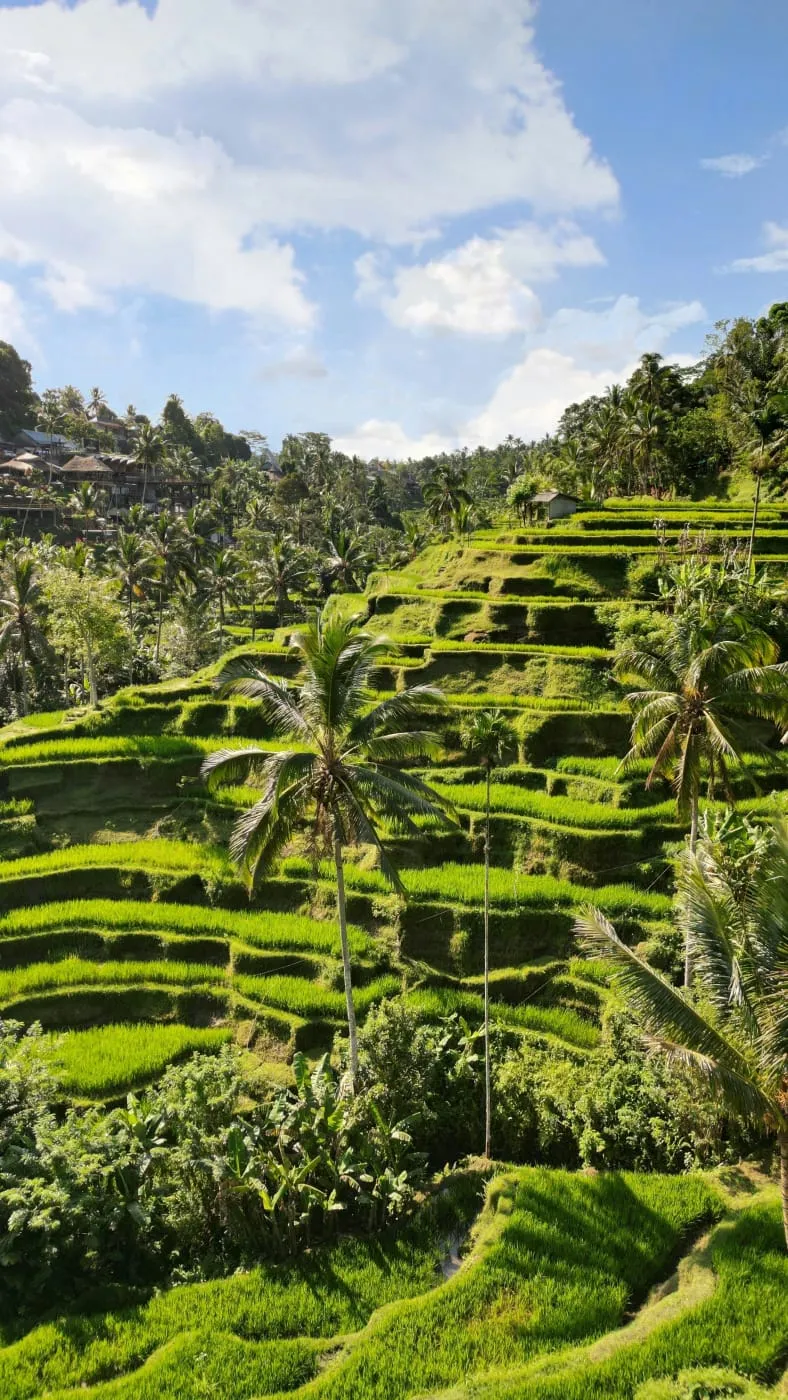
Nicknamed the Island of the Gods, Bali blends beaches, terraced rice fields, volcanoes and a Hindu spirituality that shapes daily life. For many expats, it is a unique life experience.
Its strengths: a very low cost of living (rents, warungs, services), an ultra-developed digital nomad scene with its coworking spaces, and spectacular nature.
Its limits, to know before you go: uneven infrastructure (water, electricity, roads) outside the tourist areas, strict work regulations for foreigners, Indonesian needed beyond the expat zones, and above all the impossibility for a foreigner to own land freehold: in Bali you only buy usage rights or long leases.

Mauritius: stability in the tropics
Mauritius plays a different tune: a crossroads of cultures where English and French are spoken everywhere, international and French schools among the best in the region, private clinics at Western standards, and political and economic stability that reassures long-term plans.
On the wealth side, the difference is structural: a purchase in an approved scheme is a genuine freehold title, transferable and resellable, and a USD 375,000 purchase opens the permanent residence permit for the family (all the routes here).
On taxes, the contrast is sharp: an Indonesian tax resident is taxable on worldwide income with a scale that climbs to 35%, while Mauritius applies a scale capped at 20% (0% up to Rs 500,000 a year), with no wealth tax and no property tax: see our tax guide.
The face-off at a glance
| Criteria | Bali | Mauritius |
|---|---|---|
| Cost of living | Very low | Moderate |
| Foreign ownership | Leases and usage rights only | Full freehold |
| Long-term residency | Visas to renew | Permanent permit from USD 375,000 |
| Resident taxation | Up to 35%, worldwide income | 0 to 20% maximum |
| Language | Indonesian, tourist English | English and French everywhere |
| Infrastructure (health, schools) | Uneven | Modern and reliable |
| Time difference with Paris | +6 to 7h | +2 to 3h |
Our verdict by profile
- Digital nomad in discovery mode: Bali, for a year or two of low-budget experience.
- A family settling down: Mauritius, for the schools, healthcare and legal certainty.
- Investor: Mauritius, no debate: you do not build wealth on a 25-year lease.
- Retiree: Mauritius, for the dedicated permit from age 50, reliable healthcare and a time zone compatible with calls home.
Frequently asked questions
Can you buy freehold in Bali?
No: the Indonesian constitution reserves freehold land ownership for nationals. Foreigners go through usage rights or long leases, with the uncertainties that come with them. In Mauritius, a purchase in an approved scheme is a genuine freehold title, freely transferable and resellable.
How are residents taxed in Bali?
An Indonesian tax resident is taxable on worldwide income, with a scale that climbs to 35%. Mauritius applies a scale capped at 20% (first band at 0%), with no property tax and no wealth tax: see our Mauritian tax guide.
Which alternatives should you compare before choosing?
Our clients most often weigh four destinations: Bali, Dubai, Portugal and Thailand. Every comparison in the series asks the same questions: ownership, taxation, residency, daily life.
And if the answer is Mauritius: our properties for sale are waiting, or write to us to talk it through.